Landscaping Basics How to Start Designing Your Garden
Learn the fundamentals of landscaping with this beginner’s guide. Discover tips on layout, plant selection, hardscaping, and sustainable practices to design a beautiful, functional garden.
Landscaping Basics How to Start Designing Your Garden
Landscaping is more than just planting flowers and trimming grass it is the art and science of creating an outdoor space that reflects your personality, supports your lifestyle, and adds beauty and value to your property. Whether you have a small backyard, a front yard, or a wide garden space, the way you design and manage it has a huge impact on how inviting your home feels. A well planned landscape provides a place for relaxation, play, family gatherings, and even food production if you include edible plants. For beginners,starting a landscaping project may feel overwhelming because there are so many factors to consider soil quality, sunlight, drainage, plant selection, and overall layout. However, when broken down into manageable steps, landscaping can become an enjoyable and creative project that grows with you over time. By understanding the basics, you can plan a garden that not only looks beautiful but is also functional,sustainable, and easy to maintain. This guide will walk you through the fundamental steps of designing your garden, from assessing your space and setting goals to choosing plants and adding finishing touches that transform your outdoor area into a personal paradise.
Assessing Your Garden Space Before Starting
Before you can design your garden, you need to carefully assess the space you are working with. Look at the size, shape, and layout of your outdoor area. Observe how much sunlight different spots receive throughout the day, as this will directly affect the types of plants that can thrive there. Take note of areas that are naturally shady or exposed to wind, as well as low spots where water tends to collect. Consider the soil quality by digging a small hole and checking if it is sandy, clay heavy, or loamy. This will determin whether you need to amend it with compost or other materials. It’s also useful to draw a rough sketch of your yard, marking trees, pathways, and existing plants that you may want to keep. By thoroughly analyzing your space, you’ll gain valuable insights that will help you plan a garden design that works harmoniously with your environment rather than against it.
Setting Goals for Your Garden Design
Once you’ve assessed your space, it’s time to define what you want your garden to achieve. Do you want a peaceful retreat with a seating area surrounded by flowers? Or are you more interested in a functional garden with vegetable beds and fruit trees? Perhaps your priority is creating a play space for children or an outdoor entertainment area for family and friends. Setting clear goals helps you focus your design decisions and prevents you from feeling lost in the many options available. You can even create a vision board by collecting photos, sketches, and ideas that inspire you. Keep in mind your budget and maintenance commitment. A lush, tropical garden may look beautiful but could require more upkeep than you’re prepared for. Setting realistic goals ensures that your garden design not only looks good but also fits your lifestyle.
Understanding the Basics of Garden Layout
Designing the layout is like creating a floor plan for your outdoor space. A good garden layout balances beauty with functionality. Start by dividing your yard into zones such as seating areas, planting beds, pathways, and open lawns. Paths should naturally guide visitors through your garden, while focal points such as a water fountain, statue, or a striking plant draw the eye. The rule of balance and proportion is essential large plants should not overwhelm small spaces, and smaller details should not get lost in wide open areas. Symmetrical layouts often feel formal, while asymmetrical ones provide a more natural, relaxed vibe. Also, consider how the garden will look from inside your home windows and doors often provide the perfect framed views. With thoughtful planning, your layout will feel cohesive and inviting.
Choosing Plants That Suit Your Climate and Soil
Selecting plants is one of the most exciting yet challenging parts of landscaping. The key is to choose plants that suit your climate, soil, and sunlight conditions. Native plants are usually the best choice since they are already adapted to your environment and require less water and maintenance. Group plants with similar needs together for example, place sun loving flowers in open spots and shade tolerant plants under trees. Consider mixing perennials, which return every year, with annuals that bring seasonal bursts of color. If you want year round interest, include a mix of flowering plants, evergreens, and shrubs with colorful foliage. Before purchasing plants, research their growth size to avoid overcrowding. Thoughtful plant selection ensures your garden remains healthy, beautiful, and easy to care for.
Planning Pathways and Functional Zones
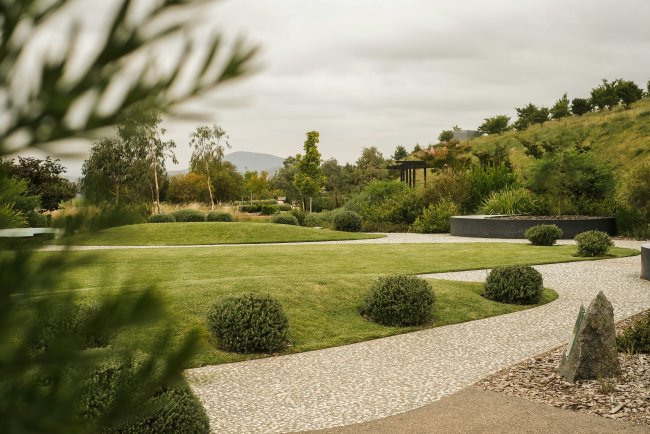
Pathways are not only practical but also a major design element in landscaping. A well designed path can guide visitors naturally through your garden, highlight focal points, and connect different areas such as patios, seating spaces, or vegetable beds. Materials like gravel, stone, bricks, or wood chips each bring a unique texture and style. Pathways should be wide enough for comfortable walking and, where possible, designed to allow wheelbarrows or strollers. In addition to paths, consider creating functional zones such as a dining area, kids’ play corner, or a quiet reading nook. By thoughtfully dividing your garden into zones connected by pathways, you create flow, accessibility, and an enjoyable experience for everyone using the space.
Incorporating Hardscape Elements into Your Garden
Hardscape refers to the non living elements in your garden such as patios, decks, fences, walls, and water features. These structures provide a foundation for your landscape design and help create a sense of order and balance. For example, a stone patio can act as the central gathering area, while a wooden pergola adds shade and charm. Hardscape features should be designed with both beauty and functionality in mind. Think about how people will move through the space and whether you want more open areas or cozy, enclosed corners. Durable materials like stone and brick add longevity, while lighter materials such as wood bring warmth. Hardscaping also plays a crucial role in solving practical issues like drainage or uneven terrain by adding retaining walls, steps, or pathways. By combining plants with hardscape features, your garden achieves harmony between nature and structure, resulting in a space that is both visually appealing and easy to maintain.
Creating Focal Points That Draw the Eye
A great garden design always has focal points that immediately capture attention. These could be a water fountain, a garden bench, a striking tree, or a sculpture. Focal points serve as anchors that give structure to your design and create visual interest. Without them, a garden may feel scattered or incomplete. The key is not to overdo it one or two strong focal points are enough for a small space, while larger gardens may benefit from several focal areas. For instance, a brightly colored flower bed can act as a visual centerpiece, while a birdbath or ornamental tree may draw attention in another corner. Placement is crucial; focal points should be positioned where they can be appreciated from different angles, including inside your home. By thoughtfully integrating focal points, you ensure your garden always feels intentional and inviting.
Balancing Color and Texture in Your Planting Design
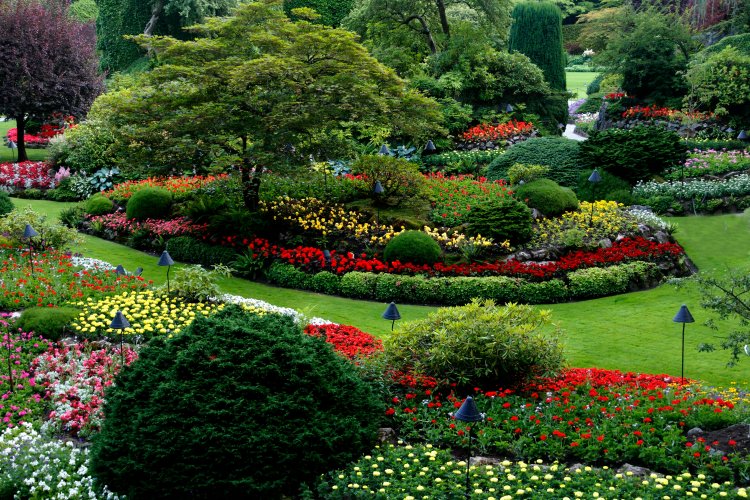
Color and texture are powerful tools in landscaping. They set the mood of your garden and influence how people feel when spending time in it. Warm colors like red, orange, and yellow create energy and excitement, while cooler colors like blue, purple, and green bring calm and relaxation. To achieve harmony, consider planting flowers in complementary or analogous color schemes. Beyond color, texture also plays a vital role. The smooth leaves of hostas, the feathery fronds of ferns, and the bold shapes of succulents all add variety and richness. By layering different textures and colors, your garden becomes more dynamic and visually appealing. Seasonal planning is also important: choose plants that bloom at different times of year to ensure your garden always has life and vibrancy, whether in spring, summer, fall, or even winter with evergreens.
Adding Water Features for Relaxation and Beauty
Few elements bring as much serenity and beauty to a garden as water features. Whether it’s a simple birdbath, a bubbling fountain, or a small pond, water adds sound, movement, and a refreshing atmosphere to your outdoor space. The gentle trickle of water creates a sense of calm and helps mask background noise, making it ideal for relaxation areas. A pond can also attract wildlife like frogs, dragonflies, and birds, adding life and biodiversity to your garden. When planning a water feature, consider scale it should fit proportionally within your garden without overwhelming other elements. Low maintenance options like self contained fountains are great for beginners, while more ambitious gardeners can install larger ponds or waterfalls. Lighting can further enhance water features at night, creating a magical and inviting atmosphere.
Designing Outdoor Seating Areas for Comfort
Your garden should not just be admired it should be enjoyed. Designing comfortable outdoor seating areas transforms your garden into a true extension of your home. Whether it’s a patio with dining furniture, a hammock in a shady corner, or a rustic bench under a tree, seating areas invite you to spend more time outdoors. Think about how you use your space: do you prefer hosting dinner parties or enjoying quiet evenings with a book? Materials also matter wooden furniture offers a natural look, metal provides durability, and wicker brings a cozy charm. To make the space even more inviting, add cushions, throws, and shade options like umbrellas or pergolas. Placing seating near focal points, flower beds, or water features enhances the experience and encourages relaxation.
The Role of Lighting in Garden Design
Lighting extends the usability of your garden into the evening while also enhancing safety and beauty. Strategically placed lights can highlight pathways, focal points, or seating areas. Solar powered lights are eco friendly and easy to install, while LED lights provide energy efficiency and a wide range of color options. Soft, warm lighting creates a cozy, inviting feel, while brighter spotlights can emphasize specific plants or architectural features. Don’t forget practical aspects such as illuminating steps or entrances for safety. Uplighting trees or adding string lights over a patio can transform the atmosphere instantly. The right lighting design not only makes your garden functional at night but also turns it into a magical retreat.
Sustainable Landscaping Practices to Consider
Sustainability is an essential part of modern landscaping. By making eco-friendly choices, you create a garden that is not only beautiful but also kind to the environment. One simple practice is choosing native plants, which require less water and care. Installing a rainwater collection system can help reduce water waste, while drip irrigation delivers moisture directly to plant roots efficiently. Mulching garden beds helps retain soil moisture, reduce weeds, and improve fertility. Composting kitchen scraps provides natural fertilizer and reduces waste. Sustainable landscaping also involves minimizing chemical pesticides and fertilizers in favor of organic alternatives. By adopting these practices, you contribute to a healthier ecosystem and create a garden that thrives naturally with less effort.
Using Vertical Space in Small Gardens
Not all gardens have vast space, but even the smallest yards can be transformed with clever design. One of the best strategies for small gardens is using vertical space. Trellises, wall planters, hanging baskets, and vertical garden structures allow you to grow flowers, herbs, or even vegetables without needing much ground space. Climbing plants such as jasmine, roses, or ivy can add greenery to walls and fences, creating lush backdrops. Vertical gardens are also great for adding privacy to small patios or balconies. Beyond plants, vertical elements like decorative panels or shelves can showcase pots, lanterns, or ornaments. This not only maximizes space but also makes the garden feel more layered and dynamic.
Seasonal Planning for Year Round Appeal
A truly great garden looks appealing all year long, not just in spring or summer. Seasonal planning ensures that different plants provide interest throughout the year. For example, spring bulbs like tulips and daffodils bring color after winter, while summer perennials like daisies and lavender keep the garden vibrant. In autumn, trees with red and golden leaves provide a warm palette, and in winter, evergreens and ornamental grasses maintain structure. Seasonal planning also applies to decor and accessories switching out cushions, lanterns, or even plant pots can refresh the look of your garden. By planning for all four seasons, you ensure that your outdoor space always feels alive and inviting.
Blending Edible Plants with Decorative Landscaping
Who says a garden can’t be both beautiful and functional? Blending edible plants with ornamental landscaping creates a space that is visually appealing while also providing food for your household. Herbs like rosemary, thyme, and basil can be planted along pathways for fragrance and easy harvesting. Fruit trees can double as focal points, while colorful vegetables like Swiss chard or purple cabbage can add visual interest to flower beds. Raised vegetable beds or container gardens can be incorporated seamlessly into your design. This approach not only makes your garden more sustainable but also brings the joy of harvesting fresh produce straight from your backyard.
Adding Personal Touches with Garden Accessories
Garden accessories are the finishing touches that make your space feel uniquely yours. Items like wind chimes, lanterns, bird feeders, or sculptures can reflect your personality and style. Accessories can also be practical storage benches, decorative pots, or even outdoor rugs can enhance both functionality and beauty. The key is moderation too many accessories can clutter the space, while a few well chosen items can create charm and character. Try mixing handmade crafts, like painted stones or DIY planters, to add a personal and creative element. Accessories also give you flexibility you can switch them out seasonally to keep your garden feeling fresh and exciting.
Low Maintenance Garden Design for Busy Lifestyles
Not everyone has time to spend hours maintaining their garden. Thankfully, low maintenance landscaping allows you to enjoy a beautiful outdoor space without constant effort. Choosing hardy, drought tolerant plants reduces the need for watering and care. Ground covers such as creeping thyme or clover minimize weeding while adding greenery. Installing automated irrigation systems saves time and ensures consistent watering. Using mulch not only conserves moisture but also reduces the need for frequent upkeep. Designing with simplicity in mind fewer plant varieties, more perennial beds, and functional hardscapes helps you keep your garden neat with minimal work. A low maintenance garden proves that beauty doesn’t have to come at the expense of your free time.
Common Mistakes to Avoid in Landscaping
Many beginners make simple mistakes that can lead to frustration in garden design. One common error is planting without considering mature plant size, which can result in overcrowding. Another is ignoring soil quality or drainage, leading to unhealthy plants. Overusing ornaments or focal points can make the garden look cluttered, while neglecting pathways can create an unorganized layout. Some people also choose plants unsuited to their climate, causing unnecessary maintenance struggles. Avoiding these mistakes requires research, planning, and patience. Remember, landscaping is a long term project, and small, thoughtful steps often lead to the most rewarding results.
Budget Friendly Landscaping Tips
Creating a beautiful garden doesn’t have to be expensive. There are many budget friendly ways to design a stunning outdoor space. Start small and expand gradually plant a few key shrubs or flowers and add more each season. DIY projects like building your own planters, pathways, or compost bins save money while adding personal charm. Buying seeds instead of mature plants is another cost effective approach. Swapping plants with neighbors or joining local gardening groups can provide free resources. Using recycled materials, such as old wood pallets for raised beds or repurposed containers for pots, also reduces costs. With creativity, you can design a garden that looks high end without overspending.
How to Evolve Your Garden Over Time
A garden is never truly finished it evolves and changes with the seasons, your needs, and your creativity. As plants mature, you may find that certain areas become too shaded or overcrowded, requiring adjustments. Over time, you might want to add new features like a pond, deck, or vegetable garden. Observing how you and your family use the space helps guide these changes. Perhaps you’ll replace a lawn with flower beds, or turn a sunny spot into a herb garden. The beauty of landscaping is that it grows with you, allowing for continuous creativity and adaptation. Viewing your garden as an evolving project ensures it always remains fresh, functional, and inspiring.
Turning Your Garden Vision into Reality
Designing a garden may seem like a big project, but with patience and creativity, it becomes an enjoyable journey that rewards you year after year. By starting with a clear plan assessing your space, setting goals, and considering practical elements like pathways and seating you set a strong foundation for your landscape. Adding plants suited to your environment, integratin hardscape features, and planning for all seasons ensures your garden is both beautiful and functional. Personal touches, sustainability practices, and evolving ideas make it uniquely yours. Most importantly, landscaping is about creating a space that supports your lifestyle, whether that means relaxation, entertainment, or food production. Your garden becomes more than just an outdoor area it becomes a living, breathing extension of your home, a place where memories are made, and beauty is cultivated.
Credit:
What's Your Reaction?