A Room by Room Strategy for a Truly Organized Home
Learn how to organize your entire home room by room with practical steps, smart storage ideas, and easy systems that keep every space neat all year. From bedrooms to kitchens, closets, and living areas, this guide helps you create a clean, clutter free home.
A Room by Room Strategy for a Truly Organized Home
Organizing your home room by room is one of the most effective ways to create a clean, peaceful, and functional space without feeling overwhelmed. Instead of trying to declutter everything at once, breaking the process into smaller zones gives you better control, more focus, and long lasting results. Every room in your home has unique challenges and different types of clutter, which means a single organizing method doesn’t always work for everything. By tailoring your approach to each space whether it’s the kitchen, bedroom, bathroom, or living room you can build custom systems that match your lifestyle and make daily life smoother. A well organized home doesn’t just look better; it reduces stress, saves time, increases productivity, and helps you enjoy your space more. When everything you own has a proper place, cleaning becomes easier, routines become quicker, and you avoid the constant mess cycle that many people struggle with. As you go room by room, you’ll learn how to declutter, sort, store, and reorganize items in a way that’s easy to maintain all year round. This guide will walk you through the entire process, offering simple strategies for every part of the home, from the busiest rooms to the spaces people often forget. With consistency and a clear plan, you can transform your home into a comfortable, practical, and beautifully organized environment.
Start with a Whole Home Decluttering Plan
Before organizing individual rooms, creating a whole home decluttering plan helps set the foundation for long term success. Start by identifying problem zones, storage limitations, and habits that cause clutter to build up. Walk through each room with a notebook and write down the areas that need the most attention closets overflowing with clothes, kitchen counters covered with items, or entryways full of shoes and bags. Setting realistic goals helps prevent burnout; instead of tackling everything at once, break each room into smaller sections so the process feels manageable. Sorting items into categories such as keep, donate, recycle, and trash ensures you remove what no longer serves a purpose. Prioritize items that take up unnecessary space, like broken appliances, expired products, or unused decor. Once you minimize clutter, you can start planning storage solutions that actually fit your lifestyle. Decluttering first also saves money because you avoid buying organizers for items you don’t really need. A whole home plan gives you direction, clarity, and motivation as you move room by room.
Organize the Entryway for a Smooth Daily Flow
The entryway is the first and last area you see each day, making it one of the most important spaces to keep organized. Start by clearing out unnecessary shoes, old papers, broken umbrellas, and random items that often pile up near the door. Install wall hooks or racks to hang coats, bags, and hats so they stay off the floor and within easy reach. A small console table or shelf helps hold essentials like keys, wallets, sunglasses, and mail. If space allows, add a bench with built in storage for shoes and seasonal items. Using vertical storage keeps the pathway uncluttered and easy to navigate. Consider using baskets or trays to separate daily essentials, preventing them from scattering across the area. Once everything has a place, maintaining the entryway becomes simple just return items back to their designated spots. An organized entryway not only looks welcoming but also reduces morning stress by making sure you can grab what you need quickly before heading out the door.
Create a Living Room Layout That Reduces Clutter
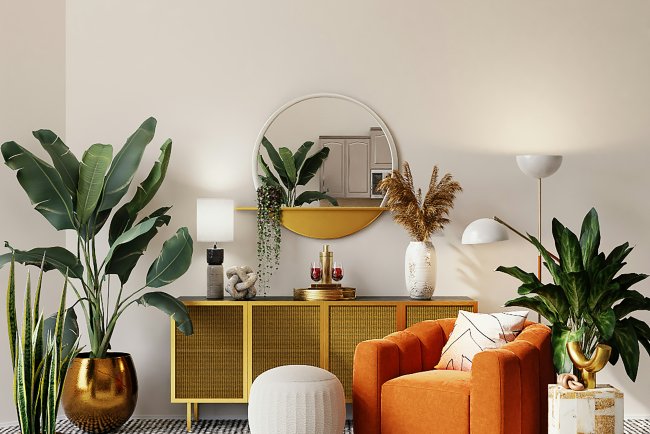
The living room often becomes a dumping ground because everyone uses it, so designing a clutter free layout is important for keeping the home clean. Start by removing unnecessary decor, duplicate items, and things that don’t belong in this space. Choose furniture with built in storage like coffee tables with shelves, ottomans with hidden compartments, or TV stands with drawers. Use baskets to store blankets, magazines, gaming accessories, and remote controls. Floating shelves display decorative items without taking floor space. Keep flat surfaces like the coffee table clear by assigning them specific purposes for example, one tray for remotes and one for candles. Establish small zones such as a reading corner, entertainment area, or relaxing space to give structure to the room. When everything has a dedicated place, the living room becomes easier to tidy up at the end of the day. A clean living room also creates a calm and welcoming atmosphere for both family and guests.
Organize Your Kitchen for Efficiency and Easy Cooking
A well organized kitchen makes cooking faster, easier, and more enjoyable. Begin by sorting through cabinets, removing expired foods, unused appliances, and duplicate tools. Group items by categorybaking supplies, spices, snacks, pots, and cleaning products so you know exactly where everything belongs. Use drawer dividers to keep utensils tidy and install turntables or pull out shelves to make deep cabinets more accessible. Keep frequently used items near the stove or prep area to speed up cooking. Clear the countertops by storing appliances you don't use daily. Use transparent containers for pantry items so you can see what you have and avoid accidental repeats. Vertical storage solves many kitchen space issues; add hooks for mugs, magnetic strips for knives, or racks for lids and pans. An organized kitchen reduces stress and helps maintain cleanliness because you're less likely to leave things scattered when every item has a proper home.
Transform Your Bedroom into a Peaceful, Organized Retreat
Your bedroom should be a place of rest, so keeping it organized creates a peaceful and calming environment. Start by decluttering nightstands, dressers, and under bed spaces. Remove items that don’t belong, like dishes, paperwork, or random belongings. Keep only essential items on nightstands lamps, a book, or a small decor piece. Maximize closet space by sorting clothes into categories and donating pieces you no longer wear. Use drawer dividers for socks, accessories, and undergarments to avoid tangled messes. Store out of season clothing in labeled bins or vacuum sealed bags. Under bed organizers are perfect for shoes, blankets, or extra linens. Choose bedding that is easy to maintain and avoid unnecessary throw pillows that add clutter. A clean, organized bedroom improves sleep quality, reduces stress, and helps you start and end each day feeling more at ease.
Design a Functional and Neat Bathroom
Bathrooms collect clutter quickly due to limited space and daily use. Begin by clearing out expired skincare, old medications, empty bottles, and unused products. Keep only the essentials and store duplicates or backups in labeled bins under the sink. Use drawer organizers to separate makeup, grooming tools, and toiletries. Install shelves above the toilet or use a tall cabinet to store towels and cleaning supplies. Shower caddies help keep shampoo and soap off slippery surfaces. Use clear containers for cotton pads, Q tips, and hair accessories to maintain a tidy appearance. If space is extremely limited, over the door organizers work perfectly for additional storage. Keeping surfaces clean and disposing of old items regularly helps maintain an organized bathroom effortlessly. A neat bathroom not only looks refreshing but also makes your morning and nighttime routines smoother.
Organize Your Closet for Maximum Space
A messy closet can make your entire home feel cluttered, so organizing it properly creates a big impact. Start by removing everything and sorting clothing into categories tops, pants, dresses, outerwear, and accessories. Donate or discard items you no longer wear, especially those that don’t fit or haven't been used in years. Use slim hangers to save space and keep clothes evenly aligned. Add storage boxes for scarves, hats, or handbags. Install shoe racks or cubbies to avoid piles on the floor. A double rod hanger instantly increases your hanging space for shorter garments. Store seasonal items in labeled bins on higher shelves. Using clear containers or labeling everything helps you find items quickly. An organized closet makes getting dressed enjoyable and saves time every morning.
Streamline Your Home Office for Productivity
A clutter free home office boosts focus and productivity. Start by removing old papers, broken stationery, and outdated technology. Use drawer organizers for pens, clips, and office accessories. Keep only the essentials on your desk laptop, notebook, maybe a plant, and a lamp. Use vertical storage to your advantage with shelves, pegboards, or filing racks. Sort important documents into labeled folders and use a filing system that separates work tasks, bills, and personal documents. Hide cables with clips or cord boxes to maintain a clean look. Add a small bin to dispose of trash immediately instead of letting it accumulate. A well organized office motivates you to work, reduces distractions, and improves efficiency.
Create a Neat and Practical Dining Area
Dining rooms often become catch all spaces for items that don’t belong bags, mail, laundry, or random clutter. Start by clearing the table completely and designating it as a no storage zone. Use a small tray or decorative bowl for essentials like napkins or salt shakers. If you have a buffet or sideboard, use it to store tableware, placemats, or seasonal dishes. Add floating shelves to display decor while freeing up cabinet space. If the dining area is part of an open plan living room, use rugs or furniture placement to visually separate it from other zones. Keeping the dining area clean makes mealtimes peaceful, encourages family bonding, and prevents clutter buildup.
Organize Your Laundry Room for Efficiency
Laundry rooms can easily become chaotic with detergent bottles, towels, and piles of clothes. Start by sorting laundry products and storing them in labeled containers or baskets. Use shelves above the washer and dryer to hold supplies. Install hooks for hanging clothes, bags, or ironing tools. A rolling cart fits perfectly in small spaces and keeps essentials organized. Assign hampers for different types of laundry lights, darks, and delicates to save sorting time. Keep countertops clear by putting items back after each use. A tidy laundry room makes chores faster and prevents clothes from piling up.
Organize Kids’ Rooms with Easy to Maintain Systems
Kids’ rooms can quickly become one of the messiest areas in the entire home because toys, clothes, school items, and daily accessories pile up fast, making it difficult for both children and parents to keep everything under control. To organize a child’s room effectively, begin by removing broken toys, outgrown clothes, and items that your child no longer uses. This first decluttering step creates more space for items that truly matter. Use storage options that are simple for kids to understand open bins, low shelves, labeled baskets, and accessible drawers. Avoid complicated systems because children are less likely to maintain them. Toy categories like dolls, blocks, puzzles, and cars should each have their own bins so everything has a place. A small desk helps keep homework supplies in one area, reducing clutter across the room. Use under bed storage for extra sheets, seasonal clothing, or toys they don’t use daily. Add hooks for bags, jackets, and hats to encourage your child to hang things up independently. Create a small reading or play corner to keep activities contained rather than spread across the room. Rotate toys every few months to prevent clutter and keep the space exciting for your child. When everything is organized in a clear, functional system, kids are more likely to clean up after themselves, and parents can enjoy a more orderly and peaceful home environment.
Create a Calm and Functional Master Bathroom
A master bathroom should feel like a clean, refreshing sanctuary, but clutter from hair tools, lotions, skincare products, towels, and daily essentials often takes over the space quickly. To organize this room effectively, begin by removing all items from drawers, countertops, and cabinets, then discard products that are expired, nearly empty, or unused. Once cleared, group remaining items by category skincare, shaving tools, hair accessories, medicines, makeup, and cleaning supplies so everything has a designated home. Use drawer dividers for cosmetics, toothbrushes, razors, and small items that often float around. Install floating shelves to hold decorative pieces or frequently used items without overcrowding the counter. A vanity organizer helps keep skincare bottles upright and easy to reach. For linens, use baskets or cabinet dividers to separate towels and washcloths neatly. Add hooks on the door for robes or extra towels, saving drawer and shelf space. Keep daily items on a tray to reduce visual clutter and make the bathroom look polished. Consider adding a small hamper to prevent clothes or towels from being tossed on the floor. Decluttering and organizing your master bathroom not only makes morning routines easier but also creates a peaceful, spa like atmosphere that you can enjoy every day.
Organize Guest Rooms for Comfort and Convenience
A well organized guest room creates a welcoming environment for visitors and ensures they have everything they need without searching through your home. Begin by decluttering the room and removing items that don’t belong storage boxes, random household items, or unused decor. Keep the space simple and free from excess clutter so guests feel comfortable. Provide a small dresser or nightstand where they can store essentials. Organize linens by placing fresh sheets, extra pillows, and blankets in an easy to access bin or closet shelf. A small basket filled with travel sized toiletries such as shampoo, lotion, and toothpaste adds a personal touch and eliminates the need for guests to ask. Use hooks on walls or doors to hang bags, jackets, or towels. Keep only a few decorative items like a lamp, plant, or framed artwork to avoid a crowded feel. Clear a space in the closet or provide a small clothing rack for guests to hang outfits during their stay. A well organized guest room ensures visitors feel relaxed and welcome, making their stay more enjoyable while keeping your home tidy.
Design an Efficient and Organized Garage Space
Garages often turn into dumping zones for tools, sports equipment, seasonal decor, and household overflow, leading to clutter that becomes overwhelming. Start by emptying the entire garage so you can assess everything clearly. Sort items into categories tools, gardening supplies, sports gear, holiday decor, automotive products, and miscellaneous. Remove anything broken, expired, or no longer needed to free up valuable space. Install wall mounted racks, pegboards, and shelves to get items off the floor and keep the garage organized. Clear bins with labels help you see what’s inside so you don’t have to dig through multiple containers. Use ceiling mounted storage racks for large, lightweight items like camping gear or seasonal decorations. Keep frequently used items at eye level for easy access. Separate a small zone for tools and create a pegboard system to hang drills, screwdrivers, wrenches, and more. Sports equipment can be stored in vertical racks or mesh bins that make grabbing items quick while maintaining order. An organized garage makes parking easier, improves safety, and gives you more usable space.
Organize the Laundry Closet or Utility Space
Many homes have a laundry closet rather than a full laundry room, and because the space is small, clutter can accumulate quickly. Start by taking everything out and identifying what truly belongs in this area detergent, stain remover, dryer sheets, cleaning tools, and essentials for washing and folding. Store products in matching containers or labeled baskets to create a tidy, cohesive look. Use vertical shelf space for backup supplies and lightweight items. Install a hanging rod for air drying delicate clothing or organizing outfits after ironing. Add a slim rolling cart between appliances if space allows, keeping detergents and tools within easy reach. Use hooks or a small wall mounted rack to store brooms, mops, or lint rollers. Keep a small bin for lost socks or laundry bags. Clear surfaces help you fold clothes without feeling cramped. Whether your laundry area is a closet or corner, good organization transforms it into a functional and efficient workspace that makes chores easier.
Build a Well Organized Pantry That Saves Time
An organized pantry helps you cook efficiently, reduces food waste, and eliminates the stress of searching for ingredients. Start by removing everything from the shelves and checking expiration dates. Discard old or stale items and group the rest by category baking supplies, snacks, pasta, canned goods, oils, and spices. Use airtight containers to store dry foods like rice, pasta, cereals, and flour, making shelves look clean and uniform. Label every container so you can find items quickly. Install tiered shelves for cans, risers for spices, and bins for snacks or packets. Use baskets to group similar items together, such as breakfast foods or baking ingredients. Keep frequently used items at eye level for easy reach. Heavier items like beverage packs or oil bottles should sit on lower shelves to prevent accidents. A clean, organized pantry helps streamline meal prep and makes grocery shopping easier because you always know what you have.
Organize Your Bedroom Closet for Daily Convenience
A well organized bedroom closet helps you start your day effortlessly and keeps clothes from piling up around the room. Begin by removing everything and sorting your wardrobe into categories workwear, casual outfits, lounge clothes, jeans, dresses, shoes, and accessories. Donate or discard anything that doesn’t fit, has worn out, or hasn’t been worn in years. Use slim velvet hangers to save space and keep clothes from slipping. Add organizers for bags, belts, scarves, and jewelry to avoid tangled messes. Use shoe racks or cubbies to store footwear neatly. Install a double hanging rod to double your closet capacity. Place seasonal clothes in labeled bins on upper shelves. Keep everyday essentials at eye level so getting dressed is quick and stress free. A clean closet helps maintain a tidy bedroom and reduces the daily decision overload.
Organize Linen Closets for Easy Access
Linen closets often become crowded with towels, bedsheets, and miscellaneous household items. Start by removing everything and sorting items into categories bath towels, hand towels, bed linens, blankets, cleaning supplies, and backups. Donate worn out towels or linens that you no longer need. Fold items neatly and store them in labeled stacks so you can easily identify sizes and sets. Use baskets to hold pillowcases, toiletries, or extra cleaning products. Keep guest linens together in one section so you can grab them quickly when needed. Store bulky blankets on lower shelves and lightweight items on upper shelves. Using shelf dividers helps prevent piles from toppling over. A tidy linen closet saves time and helps household routines run smoothly.
Keep Outdoor Areas Neat and Organized
Outdoor spaces patios, balconies, porches, and yards can accumulate clutter from gardening tools, sports equipment, furniture, and seasonal decor. Start by decluttering broken pots, unused items, and anything damaged by weather. Use outdoor storage boxes to keep cushions, toys, or tools protected. Install hooks or racks for gardening tools, hoses, and equipment. Group outdoor items into categories and keep them in designated sections. Use shelves or cabinets in the garage or shed for outdoor items you don’t need daily. Create a cozy and organized seating area by using bins to store blankets or accessories. Regular maintenance is important because outdoor spaces attract dirt and clutter more quickly. Keeping everything in designated areas helps you enjoy your outdoor space more fully.
Maintain a Whole Home Organizing Routine
Once every room in your home is organized, the most important step is maintaining your systems daily. Create simple habits like returning items to their designated spots, doing a quick 10 minute nightly cleanup, and resetting high use areas like the kitchen and living room each morning. Use checklists for weekly tasks such as decluttering surfaces, organizing mail, and tidying bedrooms. Teach all household members to follow the system, making it easier for everyone to contribute. Avoid letting clutter build up by sorting items immediately instead of postponing decisions. Seasonal decluttering helps you stay on track, especially for clothing, decor, and storage areas. Regular maintenance ensures your home stays clean, functional, and stress free throughout the year.
A Clean, Functional Home Begins with Room by Room Organization
Organizing your home room by room is the most effective way to create a peaceful, functional, and clutter free environment that supports your daily routines and overall well being. By breaking the process into smaller zones, you prevent overwhelm and gain the confidence to transform even the messiest areas of your house. Each room serves a different purpose, so customizing storage systems, habits, and layouts helps you build long lasting results rather than temporary fixes. When every item has a proper place, daily cleaning becomes easier, stressful clutter disappears, and your home feels more inviting and comfortable. With consistency, maintenance, and simple habits, you can keep your entire home organized all year long. This step by step guide empowers you to build a living space that feels calm, efficient, and truly personalized to your lifestyle.
Credit:
What's Your Reaction?